There's a specific morning every year — usually somewhere in late September — when you step outside and the air has changed. It's still warm. But it's different. The light goes gold, the

Dated: May 14 2026
Views: 6
If you've recently purchased a home in Florida — or you're planning to — one of the smartest things you can do is apply for the Florida Homestead Exemption. It's one of the most valuable property tax benefits available to homeowners in the state, and it can save you hundreds or even thousands of dollars every year. Here's everything you need to know about what the Florida Homestead Exemption is and how to apply for it.
The Florida Homestead Exemption is a property tax benefit that reduces the assessed taxable value of your primary residence by up to $50,000. This means you pay property taxes on a lower value than what your home is actually worth on the market.
Here's how the $50,000 break down works:
For example, if your home is assessed at $300,000, you would only be taxed on $250,000 (or $275,000 for school taxes). The savings add up quickly depending on your local millage rate.
Once you receive the Homestead Exemption, you also benefit from Florida's Save Our Homes (SOH) cap. This limits annual increases in your home's assessed value to 3% or the rate of inflation (CPI), whichever is lower — regardless of how much the market value of your home rises. This protection is especially valuable in hot Florida real estate markets where home values can jump significantly year over year.
To be eligible for the Florida Homestead Exemption, you must meet all of the following requirements:
The actual savings depend on your local property tax (millage) rate, but here's a general example. If your county's combined millage rate is 20 mills (which equals $20 per $1,000 of assessed value), the $25,000 exemption saves you $500 per year, and the full $50,000 exemption can save you up to $1,000 or more annually. In high-tax counties or on higher-value homes, the savings can be even greater.
Applying for the Florida Homestead Exemption is straightforward. Here's how to do it step by step:
Beyond the standard Homestead Exemption, Florida offers several additional exemptions for qualifying homeowners:
When you sell your Florida home, the Homestead Exemption does not transfer to the new owner — they must apply on their own. However, as the seller, you may be able to take advantage of Portability, which allows you to transfer your accumulated Save Our Homes benefit (the difference between your assessed value and market value) to your next Florida home. This can provide significant tax savings on your new property.
The Florida Homestead Exemption is just one of many reasons why owning a home in the Sunshine State is such a smart financial move. Whether you're a first-time buyer or relocating from another state, our team is here to help you find the perfect Florida home and navigate every step of the ownership process. Contact us today to start your home search!
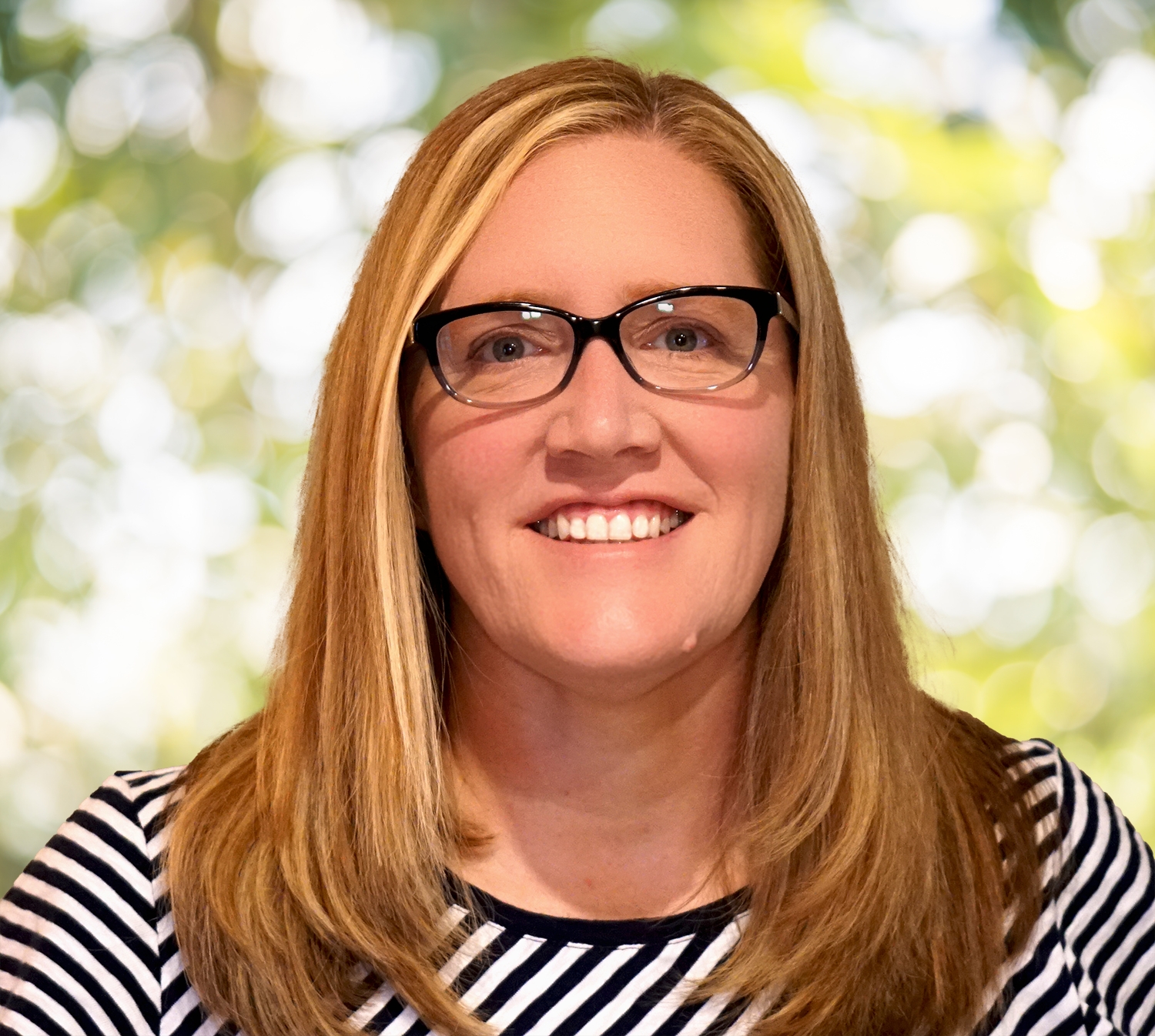
Kristin's career is built on a simple foundation: helping people find their place to thrive. Her own connection to the Florida Gulf Coast began years ago through the pursuit of endurance sports. She q....
There's a specific morning every year — usually somewhere in late September — when you step outside and the air has changed. It's still warm. But it's different. The light goes gold, the
My dog Roary has strong opinions about her social calendar, and September is shaping up nicely for her. There's more happening this month than either of us expected — including one evening on
Last updated: September 1, 2026The short version: September 2026 brings free live music every Tuesday at Pensacola Beach, four Blue Angels practices, the Pensacola Seafood Festival on September 25
My dog Roary has strong opinions about her social calendar, and this month it's stacked. One of my favorite things about living and working on this coast is how easy it is to bring your pup along
 Emerald Coast Association of REALTORS®, Inc. All information deemed reliable but not guaranteed. All properties are subject to prior sale, change or withdrawal. Neither listing broker(s) or information provider(s) shall be responsible for any typographical errors, misinformation, misprints and shall be held totally harmless. Listing(s) information is provided for consumer's personal, non-commercial use and may not be used for any purpose other than to identify prospective properties consumers
may be interested in purchasing. The data relating to real estate for sale on this website comes in part from the Internet Data Exchange program of the Multiple Listing Service. Real estate listings held by brokerage firms other than Rushing Partners may be marked with the Internet Data Exchange logo and detailed information about those properties will include the name of the listing broker(s) when required by the MLS. Copyright ©2026 All rights reserved.
Last Updated: September 29, 2026 3:06 AM UTC, Inside Real Estate Vendor ID: 28326
Show More...
Emerald Coast Association of REALTORS®, Inc. All information deemed reliable but not guaranteed. All properties are subject to prior sale, change or withdrawal. Neither listing broker(s) or information provider(s) shall be responsible for any typographical errors, misinformation, misprints and shall be held totally harmless. Listing(s) information is provided for consumer's personal, non-commercial use and may not be used for any purpose other than to identify prospective properties consumers
may be interested in purchasing. The data relating to real estate for sale on this website comes in part from the Internet Data Exchange program of the Multiple Listing Service. Real estate listings held by brokerage firms other than Rushing Partners may be marked with the Internet Data Exchange logo and detailed information about those properties will include the name of the listing broker(s) when required by the MLS. Copyright ©2026 All rights reserved.
Last Updated: September 29, 2026 3:06 AM UTC, Inside Real Estate Vendor ID: 28326
Show More...
 Copyright © 2026 by the Multiple Listing Service of the Pensacola Association of
REALTORS ® This information is believed to be accurate but is not guaranteed. Subject to verification by all parties. This data is copyrighted and may not be transmitted, re-transmitted, copied, framed, re-purposed, or altered in any way for any other site, individual and/or purpose without the express written permission of the Multiple Listing Service of the Pensacola Association of REALTORS ®. Florida
recognizes single and transaction agency relationships. Any use of search facilities of data on this site, other than by a consumer looking to purchase real estate, is prohibited.
Show More...
Copyright © 2026 by the Multiple Listing Service of the Pensacola Association of
REALTORS ® This information is believed to be accurate but is not guaranteed. Subject to verification by all parties. This data is copyrighted and may not be transmitted, re-transmitted, copied, framed, re-purposed, or altered in any way for any other site, individual and/or purpose without the express written permission of the Multiple Listing Service of the Pensacola Association of REALTORS ®. Florida
recognizes single and transaction agency relationships. Any use of search facilities of data on this site, other than by a consumer looking to purchase real estate, is prohibited.
Show More...
 Baldwin County Association Of Realtors®: All information deemed reliable but not guaranteed. All properties are subject to prior sale, change or withdrawal. Neither listing broker(s) or information provider(s) shall be responsible for any typographical errors, misinformation, misprints and shall be held totally harmless. Listing(s) information is provided for consumer's personal, non-commercial use and may not be used for any purpose other than to identify prospective properties consumers may
be interested in purchasing. The data relating to real estate for sale on this website comes in part from the Internet Data Exchange program of the Multiple Listing Service. Real estate listings held by brokerage firms other than Rushing Partners may be marked with the Internet Data Exchange logo and detailed information about those properties will include the name of the listing broker(s) when required by the MLS. Copyright ©2026 All rights reserved.
Last Updated: September 29, 2026 3:33 AM UTC
Show More...
Baldwin County Association Of Realtors®: All information deemed reliable but not guaranteed. All properties are subject to prior sale, change or withdrawal. Neither listing broker(s) or information provider(s) shall be responsible for any typographical errors, misinformation, misprints and shall be held totally harmless. Listing(s) information is provided for consumer's personal, non-commercial use and may not be used for any purpose other than to identify prospective properties consumers may
be interested in purchasing. The data relating to real estate for sale on this website comes in part from the Internet Data Exchange program of the Multiple Listing Service. Real estate listings held by brokerage firms other than Rushing Partners may be marked with the Internet Data Exchange logo and detailed information about those properties will include the name of the listing broker(s) when required by the MLS. Copyright ©2026 All rights reserved.
Last Updated: September 29, 2026 3:33 AM UTC
Show More...
 Navarre Area Board of Realtors® All information deemed reliable but not guaranteed. All properties are subject to prior sale, change or withdrawal. Neither listing broker(s) or information provider(s) shall be responsible for any typographical errors, misinformation, misprints and shall be held totally harmless. Listing(s) information is provided for consumer's personal, non-commercial use and may not be used for any purpose other than to identify prospective properties consumers may be interested
in purchasing. The data relating to real estate for sale on this website comes in part from the Internet Data Exchange program of the Multiple Listing Service. Real estate listings held by brokerage firms other than Rushing Partners may be marked with the Internet Data Exchange logo and detailed information about those properties will include the name of the listing broker(s) when required by the MLS. Copyright ©2026 All rights reserved.
Last Updated: September 29, 2026 3:36 AM UTC
Show More...
Navarre Area Board of Realtors® All information deemed reliable but not guaranteed. All properties are subject to prior sale, change or withdrawal. Neither listing broker(s) or information provider(s) shall be responsible for any typographical errors, misinformation, misprints and shall be held totally harmless. Listing(s) information is provided for consumer's personal, non-commercial use and may not be used for any purpose other than to identify prospective properties consumers may be interested
in purchasing. The data relating to real estate for sale on this website comes in part from the Internet Data Exchange program of the Multiple Listing Service. Real estate listings held by brokerage firms other than Rushing Partners may be marked with the Internet Data Exchange logo and detailed information about those properties will include the name of the listing broker(s) when required by the MLS. Copyright ©2026 All rights reserved.
Last Updated: September 29, 2026 3:36 AM UTC
Show More...
