There's a specific morning every year — usually somewhere in late September — when you step outside and the air has changed. It's still warm. But it's different. The light goes gold, the
Dated: May 16 2026
Views: 6
If you've ever wondered what a real estate agent actually does — beyond unlocking doors and putting signs in yards — you're not alone. It's one of the most-searched questions in real estate, and for good reason. A great agent does dozens of things most people never see, and understanding what a real estate agent does day-to-day can help you choose the right one and know exactly what to expect.
Whether you're buying your first home in Pensacola, selling a longtime family property, or just curious about the profession, here's an honest look at what real estate agents actually do.
The Short Answer
A real estate agent is a licensed professional who helps people buy, sell, and rent properties. But that one-sentence definition barely scratches the surface. In reality, an agent functions as part market analyst, part negotiator, part project manager, part counselor, and part problem-solver — sometimes all in the same afternoon.
Agents earn their living by guiding clients through what is, for most people, the single largest financial transaction of their lives. That responsibility comes with a long list of behind-the-scenes work that doesn't always show up in the highlight reel.
In Florida, agents must complete 63 hours of pre-licensing coursework and pass a state exam — and that's just the starting line.
What Does a Buyer's Agent Do?
When you're buying a home, your agent works exclusively for you. Their job is to protect your interests, save you money where possible, and steer you away from costly mistakes. Here's what that looks like in practice:
Helping you get clear on what you actually want and can afford. A good agent will ask questions you haven't thought to ask yet — about commute, schools, future plans, and lifestyle — and help you separate must-haves from nice-to-haves. They'll also point you toward trusted lenders so you can get pre-approved before you fall in love with a house you can't buy.
Finding properties that fit. Yes, you can browse Zillow yourself, but agents have access to the MLS in real time, know about coming-soon listings, and often hear about properties before they hit the public market. They also filter out homes that look good online but have hidden issues.
Coordinating showings. Scheduling tours, getting access, accompanying you to walk-throughs, and giving you honest feedback on each property — including things you might miss, like signs of past water damage, foundation concerns, or red flags around the roof or HVAC system.
Researching the property and the neighborhood. Before you make an offer, your agent pulls comparable sales, checks the property's history, reviews flood zones, looks at school zones, and flags anything unusual about the title, permits, or prior listings.
Writing and negotiating the offer. This is where a skilled agent earns their keep. They'll advise on price strategy, contingencies, closing timeline, and concessions — then negotiate hard on your behalf if there's back-and-forth with the seller.
Managing the transaction from contract to close. Once you're under contract, the real work starts. Your agent coordinates inspections, helps you interpret the results, negotiates any repair requests, communicates with the lender and title company, watches deadlines, and troubleshoots problems before they become deal-breakers.
Walking you through closing. The final walk-through, the stack of paperwork, the wire transfer — your agent makes sure nothing falls through the cracks on closing day.
What Does a Listing Agent Do?
When you're selling, your agent's job shifts. Now they're working to position your home, attract qualified buyers, and get you the best possible price and terms.
Pricing your home correctly. This is harder than it sounds. Price too high and your listing goes stale; too low and you leave money on the table. Your agent runs a detailed comparative market analysis, factors in your home's specific features and condition, and recommends a strategy based on current market dynamics.
Preparing the home to sell. Good agents walk through your home with a buyer's eye — suggesting repairs, decluttering, staging tweaks, and curb appeal improvements. They'll often coordinate professional photography, drone shots, and sometimes 3D tours.
Marketing the listing. Listing on the MLS is just the start. Your agent promotes the home across syndicated sites, social media, email networks, broker tours, open houses, and targeted digital ads. They know which channels work for which kinds of buyers.
Screening buyers and showings. Not every buyer who wants to tour your home is qualified to actually buy it. Your agent vets buyers, confirms pre-approvals, and coordinates showings so your life isn't disrupted any more than necessary.
Negotiating offers. When offers come in, your agent reviews each one carefully — looking at price, contingencies, financing strength, closing timeline, and the buyer's overall position — and helps you respond strategically. Multiple-offer situations require particular finesse.
Managing inspections and repair negotiations. Most deals get tested during the inspection period. Your agent helps you respond to repair requests, evaluate which concessions make sense, and keep the deal together when issues come up.
Steering the deal to closing. From appraisal to title work to final walk-through, your agent keeps every moving piece on track so you actually close on time.
The Behind-the-Scenes Work Most People Never See
Beyond the visible tasks, a working agent spends real time on things clients rarely notice — continuing education, staying current on contract changes from organizations like the National Association of Realtors, keeping up with local market shifts, building relationships with lenders, inspectors, contractors, and title professionals, and troubleshooting other people's problems so their clients never have to know about them.
In our market, that also means staying on top of issues unique to Northwest Florida — wind mitigation requirements, the new 2026 inspection form, insurance market shifts, flood zone changes, and the kinds of property quirks (older roofs, aging HVAC systems, aluminum wiring) that come up routinely on Pensacola-area homes.
Why It Matters Who You Choose as Your Pensacola Real Estate Agent
Not all agents are created equal. The right agent doesn't just open doors — they protect your interests, guide you through complex decisions, and use their experience to help you avoid the mistakes that cost people real money. The wrong agent can do the opposite.
If you're buying or selling in the Pensacola area and want someone who treats your transaction with the care it deserves, I'd love to talk. Whether you're just starting to explore or ready to make a move, the conversation is always free — and you'll walk away with a clearer picture of your next steps.
Frequently Asked Questions
Is a Realtor the same as a real estate agent? No. All Realtors are real estate agents, but not all agents are Realtors. "Realtor" is a trademarked designation for agents who are members of the National Association of Realtors and agree to its Code of Ethics.
Do I have to pay a real estate agent as a buyer? Following the 2024 NAR settlement, buyer-agent compensation is now negotiated upfront in a written buyer's agreement. In many cases, the seller still contributes toward the buyer's agent fee, but this is no longer assumed — it's negotiated as part of the transaction.
What's the difference between a real estate agent and a broker? A broker has additional licensing and education beyond an agent and can either work independently or supervise other agents. Most agents work under a broker.
How do I choose the right real estate agent in Pensacola? Look for someone with local market experience, strong reviews, clear communication, and familiarity with Northwest Florida–specific issues like wind mitigation, insurance requirements, and coastal property concerns.
How long does it take to become a real estate agent in Florida? In Florida, becoming a licensed real estate agent requires completing 63 hours of pre-licensing education, passing the state exam, and submitting an application through the Florida Department of Business and Professional Regulation. Most people complete the process in 2 to 4 months.
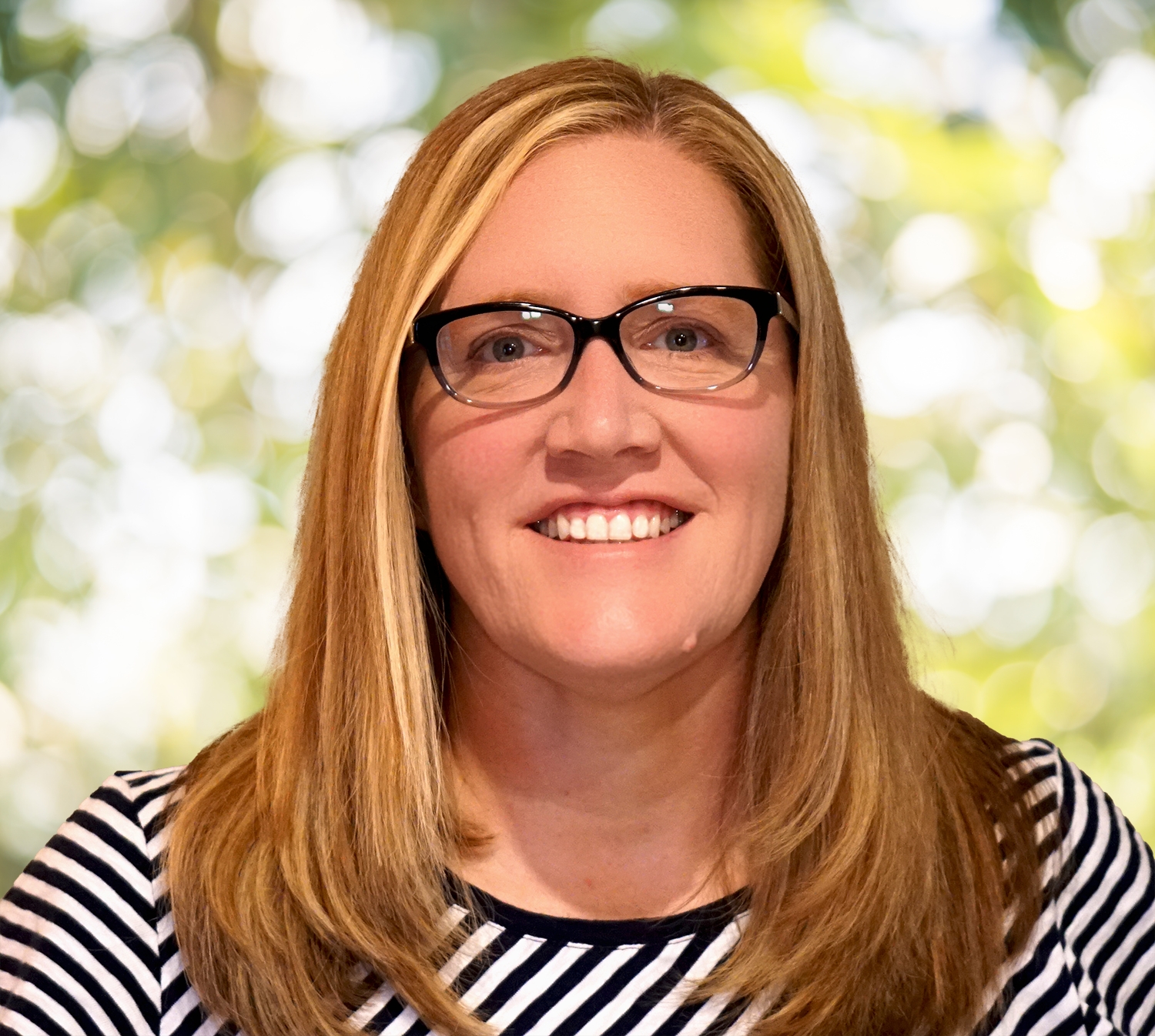
Kristin's career is built on a simple foundation: helping people find their place to thrive. Her own connection to the Florida Gulf Coast began years ago through the pursuit of endurance sports. She q....
There's a specific morning every year — usually somewhere in late September — when you step outside and the air has changed. It's still warm. But it's different. The light goes gold, the
My dog Roary has strong opinions about her social calendar, and September is shaping up nicely for her. There's more happening this month than either of us expected — including one evening on
Last updated: September 1, 2026The short version: September 2026 brings free live music every Tuesday at Pensacola Beach, four Blue Angels practices, the Pensacola Seafood Festival on September 25
My dog Roary has strong opinions about her social calendar, and this month it's stacked. One of my favorite things about living and working on this coast is how easy it is to bring your pup along
 Emerald Coast Association of REALTORS®, Inc. All information deemed reliable but not guaranteed. All properties are subject to prior sale, change or withdrawal. Neither listing broker(s) or information provider(s) shall be responsible for any typographical errors, misinformation, misprints and shall be held totally harmless. Listing(s) information is provided for consumer's personal, non-commercial use and may not be used for any purpose other than to identify prospective properties consumers
may be interested in purchasing. The data relating to real estate for sale on this website comes in part from the Internet Data Exchange program of the Multiple Listing Service. Real estate listings held by brokerage firms other than Rushing Partners may be marked with the Internet Data Exchange logo and detailed information about those properties will include the name of the listing broker(s) when required by the MLS. Copyright ©2026 All rights reserved.
Last Updated: September 27, 2026 6:39 PM UTC, Inside Real Estate Vendor ID: 28326
Show More...
Emerald Coast Association of REALTORS®, Inc. All information deemed reliable but not guaranteed. All properties are subject to prior sale, change or withdrawal. Neither listing broker(s) or information provider(s) shall be responsible for any typographical errors, misinformation, misprints and shall be held totally harmless. Listing(s) information is provided for consumer's personal, non-commercial use and may not be used for any purpose other than to identify prospective properties consumers
may be interested in purchasing. The data relating to real estate for sale on this website comes in part from the Internet Data Exchange program of the Multiple Listing Service. Real estate listings held by brokerage firms other than Rushing Partners may be marked with the Internet Data Exchange logo and detailed information about those properties will include the name of the listing broker(s) when required by the MLS. Copyright ©2026 All rights reserved.
Last Updated: September 27, 2026 6:39 PM UTC, Inside Real Estate Vendor ID: 28326
Show More...
 Copyright © 2026 by the Multiple Listing Service of the Pensacola Association of
REALTORS ® This information is believed to be accurate but is not guaranteed. Subject to verification by all parties. This data is copyrighted and may not be transmitted, re-transmitted, copied, framed, re-purposed, or altered in any way for any other site, individual and/or purpose without the express written permission of the Multiple Listing Service of the Pensacola Association of REALTORS ®. Florida
recognizes single and transaction agency relationships. Any use of search facilities of data on this site, other than by a consumer looking to purchase real estate, is prohibited.
Show More...
Copyright © 2026 by the Multiple Listing Service of the Pensacola Association of
REALTORS ® This information is believed to be accurate but is not guaranteed. Subject to verification by all parties. This data is copyrighted and may not be transmitted, re-transmitted, copied, framed, re-purposed, or altered in any way for any other site, individual and/or purpose without the express written permission of the Multiple Listing Service of the Pensacola Association of REALTORS ®. Florida
recognizes single and transaction agency relationships. Any use of search facilities of data on this site, other than by a consumer looking to purchase real estate, is prohibited.
Show More...
 Baldwin County Association Of Realtors®: All information deemed reliable but not guaranteed. All properties are subject to prior sale, change or withdrawal. Neither listing broker(s) or information provider(s) shall be responsible for any typographical errors, misinformation, misprints and shall be held totally harmless. Listing(s) information is provided for consumer's personal, non-commercial use and may not be used for any purpose other than to identify prospective properties consumers may
be interested in purchasing. The data relating to real estate for sale on this website comes in part from the Internet Data Exchange program of the Multiple Listing Service. Real estate listings held by brokerage firms other than Rushing Partners may be marked with the Internet Data Exchange logo and detailed information about those properties will include the name of the listing broker(s) when required by the MLS. Copyright ©2026 All rights reserved.
Last Updated: September 27, 2026 6:38 PM UTC
Show More...
Baldwin County Association Of Realtors®: All information deemed reliable but not guaranteed. All properties are subject to prior sale, change or withdrawal. Neither listing broker(s) or information provider(s) shall be responsible for any typographical errors, misinformation, misprints and shall be held totally harmless. Listing(s) information is provided for consumer's personal, non-commercial use and may not be used for any purpose other than to identify prospective properties consumers may
be interested in purchasing. The data relating to real estate for sale on this website comes in part from the Internet Data Exchange program of the Multiple Listing Service. Real estate listings held by brokerage firms other than Rushing Partners may be marked with the Internet Data Exchange logo and detailed information about those properties will include the name of the listing broker(s) when required by the MLS. Copyright ©2026 All rights reserved.
Last Updated: September 27, 2026 6:38 PM UTC
Show More...
 Navarre Area Board of Realtors® All information deemed reliable but not guaranteed. All properties are subject to prior sale, change or withdrawal. Neither listing broker(s) or information provider(s) shall be responsible for any typographical errors, misinformation, misprints and shall be held totally harmless. Listing(s) information is provided for consumer's personal, non-commercial use and may not be used for any purpose other than to identify prospective properties consumers may be interested
in purchasing. The data relating to real estate for sale on this website comes in part from the Internet Data Exchange program of the Multiple Listing Service. Real estate listings held by brokerage firms other than Rushing Partners may be marked with the Internet Data Exchange logo and detailed information about those properties will include the name of the listing broker(s) when required by the MLS. Copyright ©2026 All rights reserved.
Last Updated: September 27, 2026 6:27 PM UTC
Show More...
Navarre Area Board of Realtors® All information deemed reliable but not guaranteed. All properties are subject to prior sale, change or withdrawal. Neither listing broker(s) or information provider(s) shall be responsible for any typographical errors, misinformation, misprints and shall be held totally harmless. Listing(s) information is provided for consumer's personal, non-commercial use and may not be used for any purpose other than to identify prospective properties consumers may be interested
in purchasing. The data relating to real estate for sale on this website comes in part from the Internet Data Exchange program of the Multiple Listing Service. Real estate listings held by brokerage firms other than Rushing Partners may be marked with the Internet Data Exchange logo and detailed information about those properties will include the name of the listing broker(s) when required by the MLS. Copyright ©2026 All rights reserved.
Last Updated: September 27, 2026 6:27 PM UTC
Show More...
